The Department of Cancer Epidemiology at the National Institute of Cancer Research and Hospital (NICRH) has been a cornerstone in the country's fight against cancer since its inception. Being one of the first departments established at the hospital, its primary goal has been to augment the overall management of cancer patients by promoting awareness, prevention, and rehabilitation efforts.
Since its establishment, the department has been proactive in organizing various activities aimed at raising awareness about cancer and its prevention. These include rallies, symposia, workshops, seminars, and training sessions on epidemiology and research methodology. By engaging with both healthcare professionals and the public, the department strives to disseminate crucial information regarding cancer prevention and early detection strategies.
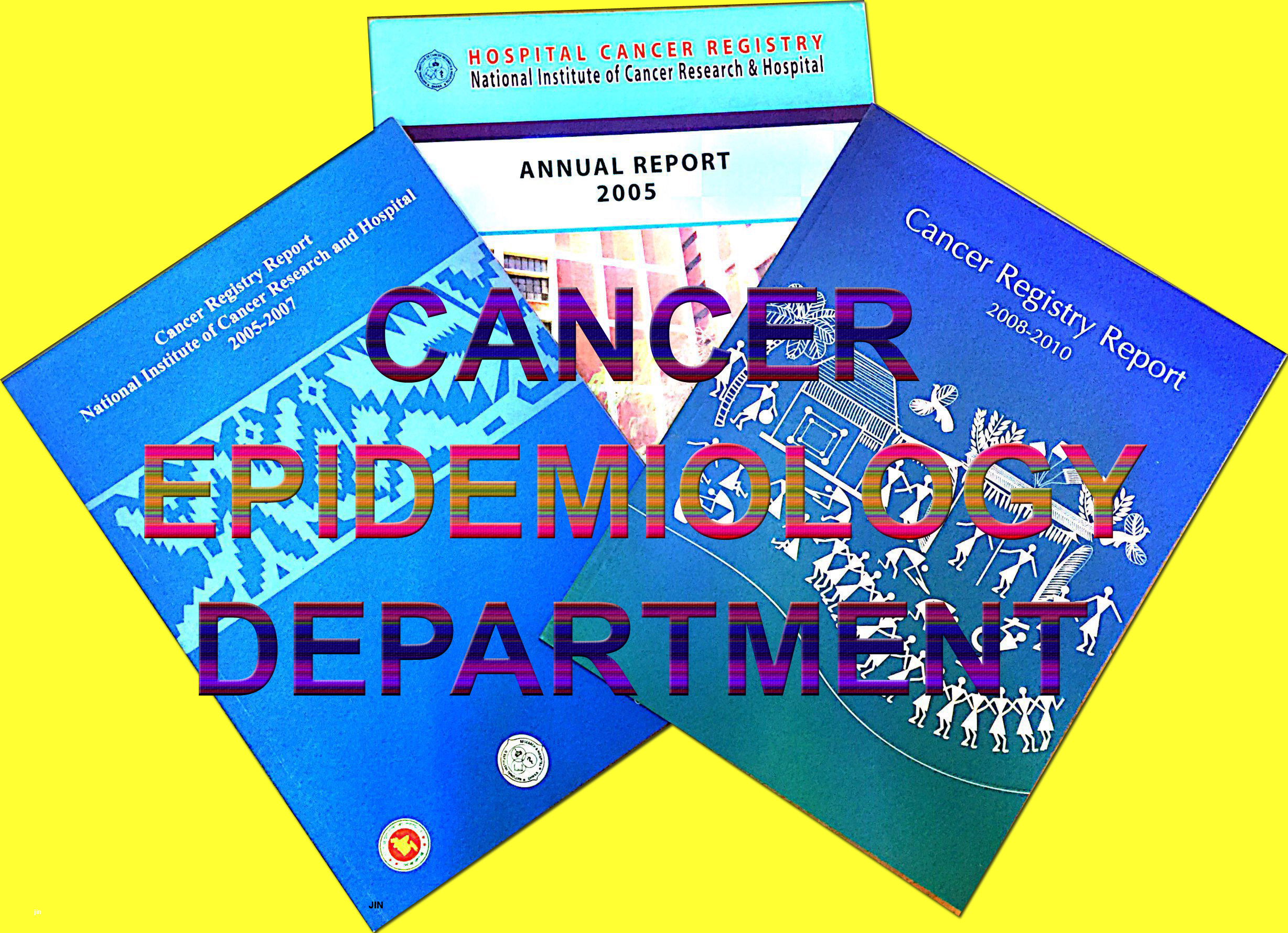
One of the notable contributions of the department is the initiation of the country's first hospital-based cancer registry at NICRH in 2005. This registry serves as a vital resource for tracking cancer incidence and prevalence trends, thereby informing healthcare policies and interventions. Additionally, the department has played a pivotal role in the development and launch of the hospital's inaugural website, providing a platform for disseminating information and resources related to cancer care and research.
A key aspect of the department's activities is the regular collection and upload of data to the District Health Information System 2 (DHIS2), ensuring that accurate and up-to-date information is available for healthcare planning and decision-making. Moreover, the department manages data related to the underlying causes of death (MCCOD), further enhancing the understanding of cancer epidemiology and its impact on public health.
In 2014, the department initiated a unique program called "Cancer Jiggasha" aimed at raising awareness among the populace about cancer, with a particular focus on preventive measures. This program serves as an interactive platform for educating communities and dispelling myths surrounding cancer.
Another significant achievement of the department is the establishment of a modern record room for archiving cancer data. This facility ensures the safe storage and accessibility of vital information for research and clinical purposes. Furthermore, the department actively engages students pursuing MD, MS, and FCPS courses, as well as those from other institutes and hospitals, providing them with hands-on experience and exposure to cancer epidemiology and research.
Despite facing challenges such as manpower shortages, the department remains steadfast in its commitment to making a positive impact in the fight against cancer. Through its dedicated efforts and innovative initiatives, the Department of Cancer Epidemiology continues to be at the forefront of cancer control and prevention efforts in Bangladesh.
1. Data collection from cancer patients
2. Data managements and analysis
3. Preparation of HBCR
4. Research
5. Teaching/Training
6. CME
7. Prevention and awareness campaign
8. Administrative
Facilities:
5. Trained personal for running and development of existing Cancer Registry
6. Research consultation
7. Well equipped computer lab for data entry, storage, retrieve and analysis of cancer data.
8. Modern record room
5. Trained personal for running and development of existing Cancer Registry
6. Research consultation
7. Well equipped computer lab for data entry, storage, retrieve and analysis of cancer data.
8. Modern record room
Mission
The mission of the Department of Cancer Epidemiology at the National Institute of Cancer Research and Hospital (NICRH) is to strengthen cancer prevention, control, and research in Bangladesh through evidence-based practices. By generating reliable data, promoting awareness, and supporting policy decisions, the department aims to reduce the burden of cancer and improve public health outcomes across the country.
Objectives
Data Collection and Analysis:
To collect, store, and analyze hospital-based and population-based cancer data in order to understand the patterns, incidence, and trends of cancer in Bangladesh.
Cancer Registry Development:
To strengthen the hospital-based cancer registry and expand data registry networks in different regions of the country.
Support Evidence-Based Planning and Policy:
To provide analytical data and research evidence that guide national cancer control, prevention, and management strategies.
Awareness and Prevention Programs:
To organize awareness campaigns such as “Cancer Jiggasha” and other outreach activities to educate the public and dispel myths about cancer.
Research and Training:
To offer training programs on cancer epidemiology and research methodology for medical students, residents, and researchers from various institutions.
Digital Data Management:
To regularly collect and upload cancer-related data to the District Health Information System (DHIS2) and manage mortality data under the MCCOD program for accurate and up-to-date reporting.
Collaboration and Networking:
To establish partnerships with national and international research institutes, universities, and health organizations for joint research and data sharing.
Archiving and Record Management:
To maintain a modern record room and digital database system for secure storage and easy access to cancer data for research and clinical use.
1. Data collection from cancer patients
2. Data management and analysis
3. Preparation of HBCR (Hospital based cancer registry) & functioned as a focal point for the activities of extending Hospital Cancer Registry to all old govt. Medical Colleges and specialized cancer centers of the country.
4. Funded Research (2024-25): Determinants of Treatment Delays in Breast Cancer Patients: Identifying Solutions for Improved Care
5. Teaching/Training
6. CME
7. Cancer prevention and awareness campaign
8. Publication of yearbook
9. Administrative
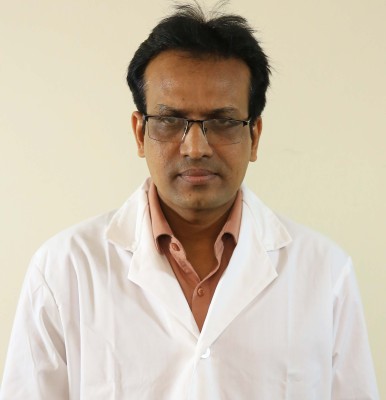
Department Head: Dr. Md. Johirul Islam
Designation: Associate Professor
Contact:
Email: dr.johir@gmail.com
Mobile: +880 1711-609675
Office Location: 4th Floor, B-Block, National Institute of Cancer Research & Hospital
Office Hours: Saturday to Thursday, 8:00 AM to 2:30 PM