Brief Description
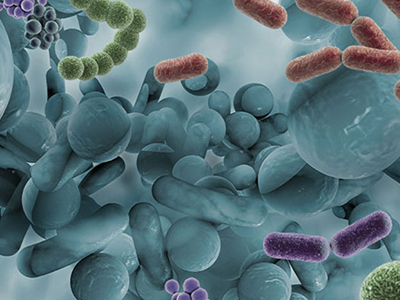
In NICRH, the Department of Microbiology started its activities in 2012. As all cancer patients are immunocompromised due to both the disease process and treatment procedures, they become highly susceptible to various types of infections caused by bacteria, viruses, and fungi. The primary role of this department is to identify the bacterial agents responsible for these infections through culture and sensitivity tests. Virus and fungus cultures are not available here. The department also plays an important role in identifying antimicrobial-resistant (AMR) organisms. Additionally, the Infection Prevention and Control (IPC) program of the hospital is operated by this department.
History of Establishment
At NICRH, all basic science departments were established in 2012. Since then, the Department of Microbiology has been steadily progressing toward its goals. The department uses a Biosafety Cabinet Class II, automated blood culture systems, and advanced diagnostic methods for identifying resistant organisms. Detection of ESBL (Extended Spectrum Beta-Lactamase) is considered one of its major achievements.
In addition to routine laboratory work, the department provides internship training on laboratory management and operations to students from different Institutes of Health Technology (IHTs). A few students from various universities also come here to conduct research as part of their academic programs.
Clinical Services Offered:
The Department of Microbiology at NICRH provides crucial clinical services aimed at supporting the diagnosis and management of infections among cancer patients, who are highly susceptible to opportunistic pathogens due to their immunocompromised state. The department performs culture and sensitivity tests to identify bacterial pathogens responsible for infections, thereby guiding physicians in selecting the most effective antimicrobial therapy. It also plays an essential role in detecting antimicrobial-resistant (AMR) organisms, such as ESBL-producing bacteria and VRE, which are of great concern in hospital settings. The department contributes significantly to infection prevention and control (IPC) activities, ensuring timely identification and containment of hospital-acquired infections (HAI). Through these services, the Microbiology Department supports patient care, enhances treatment outcomes, and promotes rational antibiotic use across the hospital.
Specialized Facilities & Technologies:
The Microbiology Department at NICRH is equipped with specialized laboratory facilities and modern technologies to ensure accurate and reliable diagnostic outcomes. It utilizes Biosafety Level (BSL) Cabinet Class II for safe handling of pathogenic samples, maintaining both staff and environmental safety. The department employs automated blood culture systems for rapid and precise detection of bloodstream infections, which is vital for critically ill cancer patients. It has also achieved notable success in detecting Extended-Spectrum Beta-Lactamase (ESBL) and other resistant organisms, strengthening the hospital’s AMR surveillance capabilities. Furthermore, the department serves as a training and research platform, offering internship opportunities to students from Institutes of Health Technology (IHT) and various universities, thereby contributing to the development of skilled laboratory professionals in the field of medical microbiology.
Vision:
To establish the Department of Microbiology as a center of excellence in infection diagnosis, prevention, and management for cancer patients — recognized nationally and internationally for its leadership in combating Antimicrobial Resistance (AMR), strengthening Infection Prevention and Control (IPC), and addressing Hospital-Acquired Infections (HAI) through evidence-based practices and innovation.
a) AMR (Antimicrobial Resistance):
* Detection of antimicrobial-resistant organisms and systematic data entry and analysis.
* Identification and confirmation of ESBL-producing bacteria and VRE.
* Strengthening AMR data management and reporting systems within the hospital.
b) IPC (Infection Prevention and Control):
* Strengthening the IPC committee and expanding its activities across all departments.
* Ensuring participation and ownership from all sectors of the institute.
c) Antimicrobial Stewardship Program:
* Establishing an effective antimicrobial stewardship program to promote rational antibiotic use and reduce resistance.
d) Surveillance and Emerging Pathogens:
* Giving special focus to surveillance and detection of Hospital-Acquired Infections (HAI), as well as emerging and re-emerging pathogens, to ensure early intervention and control.
Research & Academic Activities
a) This department is always engaged in the detection of newly emerging organisms & it’s sensitivity pattern.
b) Detection of ESBL
c) Further detection of genes, responsible of AMR will be started very soon.
d) Data on different infections with it’s causative organisms & their sensitivity pattern in the period of COVID was published in the journal of this Institute.
e) Internship training of Diploma & B.sc students of different IHT of Medical technology is going on regularly for a defined period in this laboratory.
f) Research program is going on by the students of different university.
g) Ongoing Research: Data collection is started for the detection of AMR organisms and further evaluation will be done by responsible gene detection by PCR.
·
Head
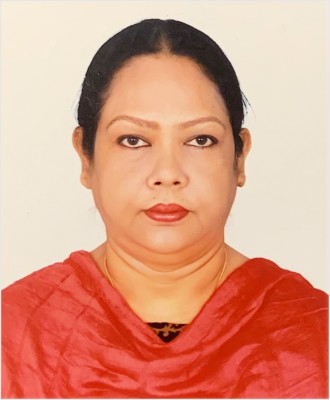
of Department (HOD): Dr. Saima Easin
·
Designation: Professor
·
Contact
Email & Phone: Saima.easin@gmail.com;
01714-323216
·
Office
Location: Block-D , Floor-3rd
floor, Room number-438,NICRH
·
Working
Hours: 8.00 AM to 2.30 PM